Discovering Egyptian Dining Customs: A Journey Through Flavor and Tradition
- Michael Basily
- Jan 5
- 4 min read

Egyptian cuisine is a vibrant tapestry woven from centuries of history, culture, and geography. It offers a unique blend of flavors and dishes that reflect the rich heritage of the Nile Valley and the Mediterranean basin. For those eager to explore authentic tastes and customs, understanding Egyptian dining customs is essential. This guide will take you through the heart of Egyptian food culture, highlighting key traditions, popular dishes, and the social aspects that make dining in Egypt a memorable experience.
The Essence of Egyptian Dining Customs
Egyptian dining customs are deeply rooted in hospitality and community. Meals are often shared events, bringing family and friends together around a table laden with a variety of dishes. The concept of sharing food is central, symbolizing unity and generosity.
Communal Eating: Traditionally, Egyptians eat from a shared platter, using their right hand to scoop up food. This practice fosters a sense of togetherness.
Hospitality: Guests are treated with great respect and offered the best food available. Refusing food can be seen as impolite.
Meal Times: Lunch is typically the main meal of the day, often followed by a light dinner. Breakfast tends to be simple but hearty.
Understanding these customs helps visitors and locals alike appreciate the cultural significance behind each meal.

Popular Egyptian Dishes and Their Cultural Significance
Egyptian cuisine is known for its hearty, flavorful dishes that often use simple, fresh ingredients. Many dishes have been passed down through generations, each with its own story.
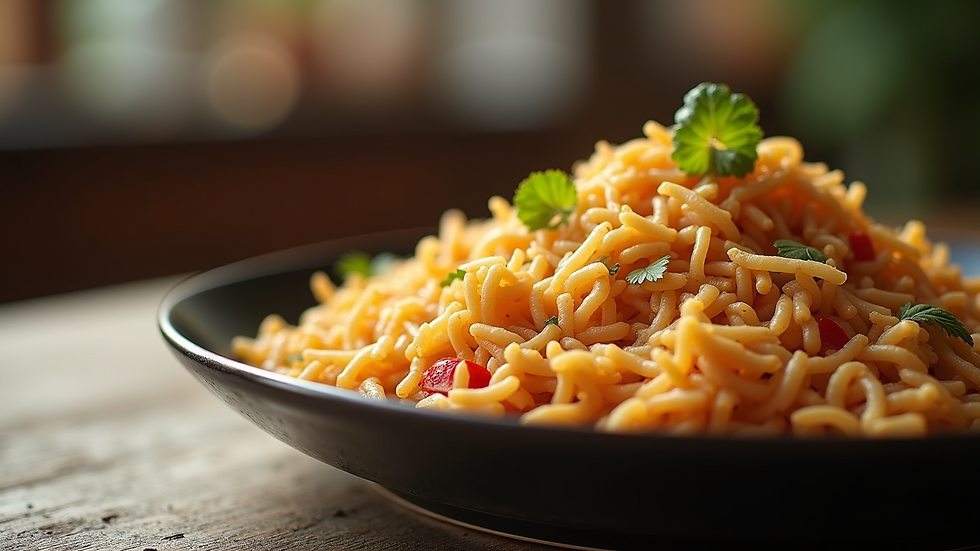
Koshari: A beloved street food made from rice, lentils, pasta, and topped with spicy tomato sauce and crispy onions. It is a symbol of Egyptian comfort food.
Ful Medames: Slow-cooked fava beans seasoned with olive oil, lemon, and garlic, often eaten for breakfast.
Taameya (Egyptian Falafel): Made from crushed fava beans instead of chickpeas, this is a staple for vegans and vegetarians.
Molokhia: A green leafy vegetable stew served with rice or bread, known for its unique texture and flavor.
Mahshi: Vegetables like zucchini, peppers, and grape leaves stuffed with rice and herbs.
These dishes not only satisfy hunger but also connect diners to Egypt’s agricultural roots and culinary history.
What is the Egyptian food tradition?
The Egyptian food tradition is a reflection of the country’s agricultural abundance and cultural diversity. It emphasizes fresh, locally sourced ingredients and simple cooking methods that enhance natural flavors. Meals are often accompanied by bread, which is a staple in Egyptian households.
Bread as a Staple: Baladi bread, a type of flatbread, is served with almost every meal and used to scoop up food.
Use of Herbs and Spices: Common seasonings include cumin, coriander, garlic, and fresh herbs like parsley and dill.
Seasonal Eating: Traditional dishes often change with the seasons, incorporating fresh produce available at the time.
Religious and Festive Foods: Certain foods are prepared for religious holidays and celebrations, such as Fattah during Eid.
This tradition is not just about food but also about the rituals and social interactions that surround eating.
Tips for Enjoying Egyptian Food at Home or Dining Out
Whether you are trying Egyptian cuisine for the first time or looking to deepen your appreciation, here are some practical tips:
Start with Mezze: Small plates like hummus, baba ganoush, and stuffed grape leaves are great for sharing and sampling different flavors.
Use Your Hands: Embrace the tradition of eating with your right hand, especially when eating bread and dips.
Try Local Beverages: Hibiscus tea (karkade) and sugarcane juice are refreshing accompaniments.
Visit Authentic Restaurants: Seek out places that specialize in traditional recipes and use fresh ingredients.
Order Online for Convenience: Many restaurants now offer online ordering and delivery, making it easy to enjoy authentic meals at home.
These tips can enhance your dining experience and help you connect with the culture behind the food.
The Role of Egyptian Food Traditions in Community and Celebration
Food in Egypt is more than sustenance; it is a way to celebrate life and strengthen bonds. Festivals, weddings, and family gatherings often feature elaborate meals that showcase the best of Egyptian cuisine.
Sharing and Generosity: Large platters are common, encouraging sharing and conversation.
Special Occasion Dishes: Certain dishes are reserved for celebrations, such as Fattah, a layered rice and meat dish.
Street Food Culture: Vibrant street food scenes offer quick, affordable, and delicious options that bring people together.
Building Community: Restaurants and cafes serve as social hubs where people meet, relax, and enjoy good food.
For those in Tampa Bay seeking authentic Egyptian and Mediterranean flavors, embracing these traditions can create a welcoming and inclusive dining atmosphere.
Bringing Egyptian Dining Customs to Tampa Bay
For residents and visitors in Tampa Bay, experiencing authentic Egyptian dining customs is now easier than ever. Establishments like Falafel N Cafe are dedicated to bringing genuine flavors and traditions to the local community.
Authentic Recipes: Using traditional ingredients and cooking methods.
Convenient Online Ordering: Making it simple to enjoy meals at home or on the go.
Community Engagement: Hosting events and promotions that celebrate Egyptian culture.
Family-Friendly Options: Offering dishes suitable for all ages and dietary preferences, including vegan choices.
By supporting local businesses that honor these customs, you contribute to preserving and sharing a rich culinary heritage.
Exploring egyptian food traditions offers a delicious way to connect with a culture that values hospitality, flavor, and community. Whether you are enjoying a shared meal with loved ones or discovering new dishes on your own, the warmth and richness of Egyptian dining customs are sure to leave a lasting impression.


Comments